From Advent’s quiet expectation to the joy of Christmas, Mary’s faithful “yes” invites us to welcome Christ into our lives. As you prepare for these seasons and the Solemnities of the Immaculate Conception and Mary, Mother of God, explore these new music releases that honor Mary and draw our hearts toward her Son, Jesus Christ.
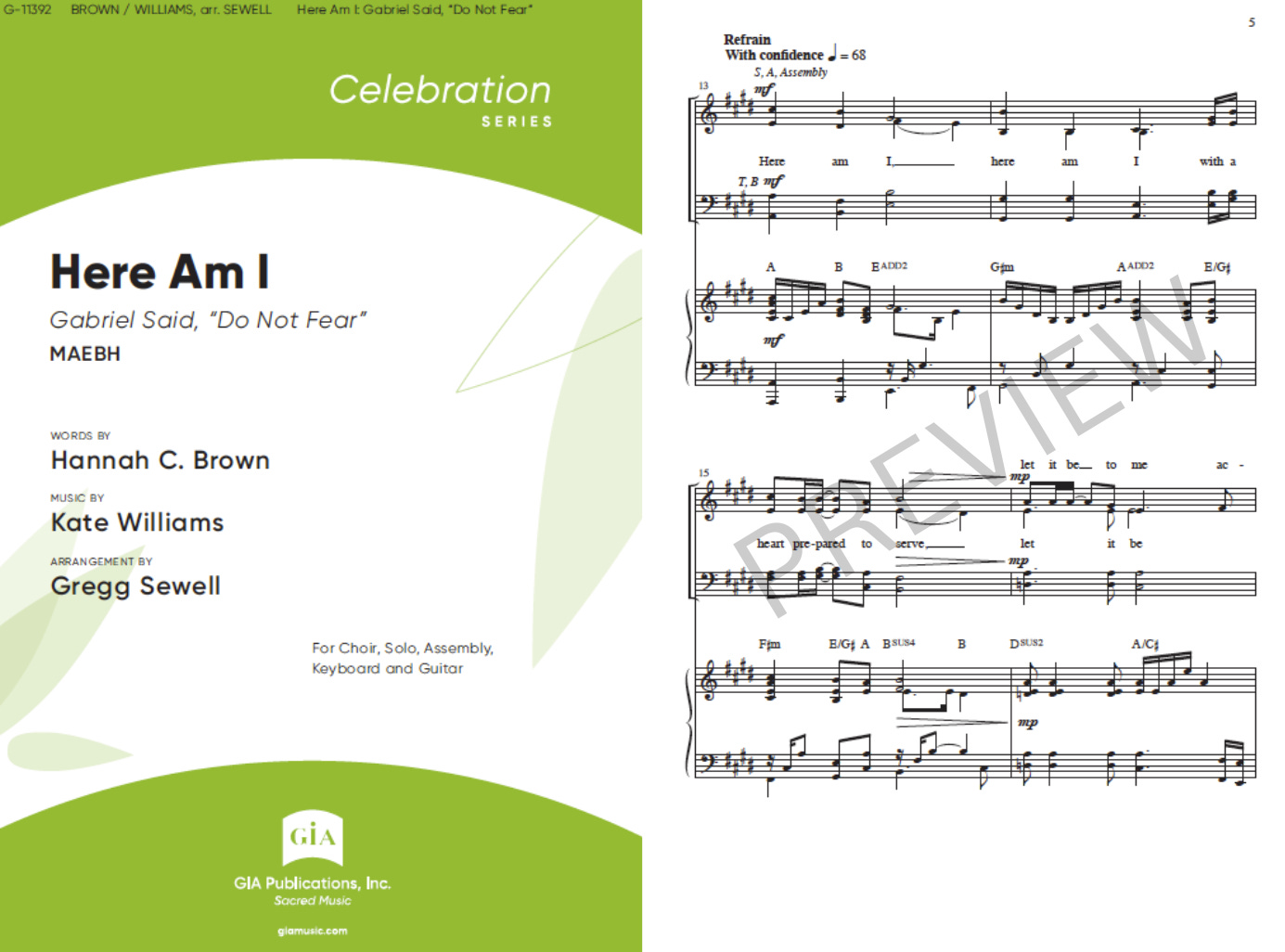
Here Am I
This text arose out of a conversation with a friend who was writing a pageant celebrating Mary’s agency. It occurred to me that we rarely treat the annunciation as a call story. What was happening within Mary that allowed her to accept God’s invitation? Can we understand her “yes” not as meek acquiescence, but as a courageous and joyful choice? -Hannah C. Brown
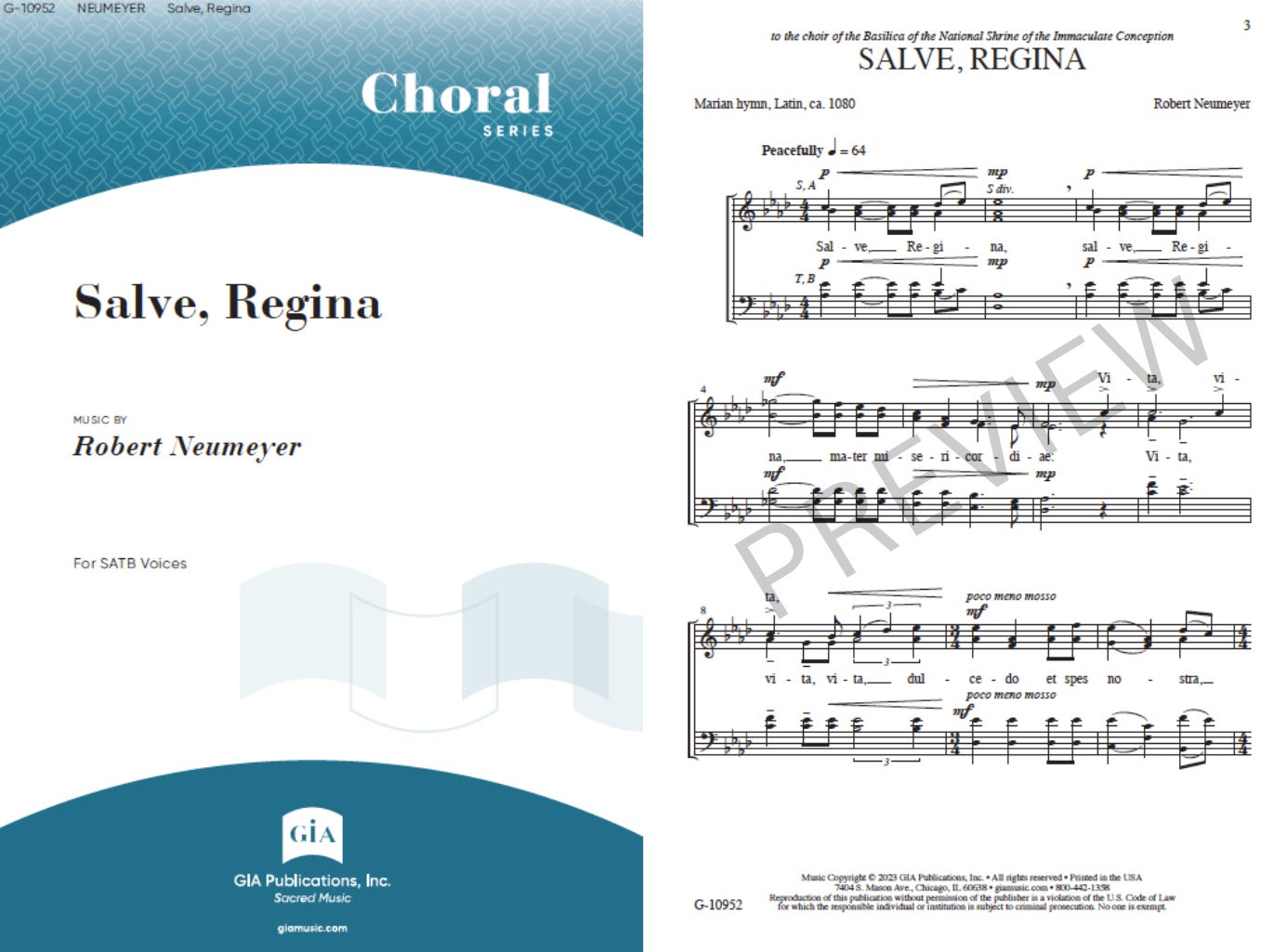
Salve, Regina
In this stunning a capella setting of this beloved Marian antiphon, Neumeyer seamlessly blends elements of chant with contemporary choral harmony to illuminate the beauty of the original Latin text. Appropriate for both worship and the concert hall, this setting is is worthy of mention among all the great renderings of the "Salve, Regina".
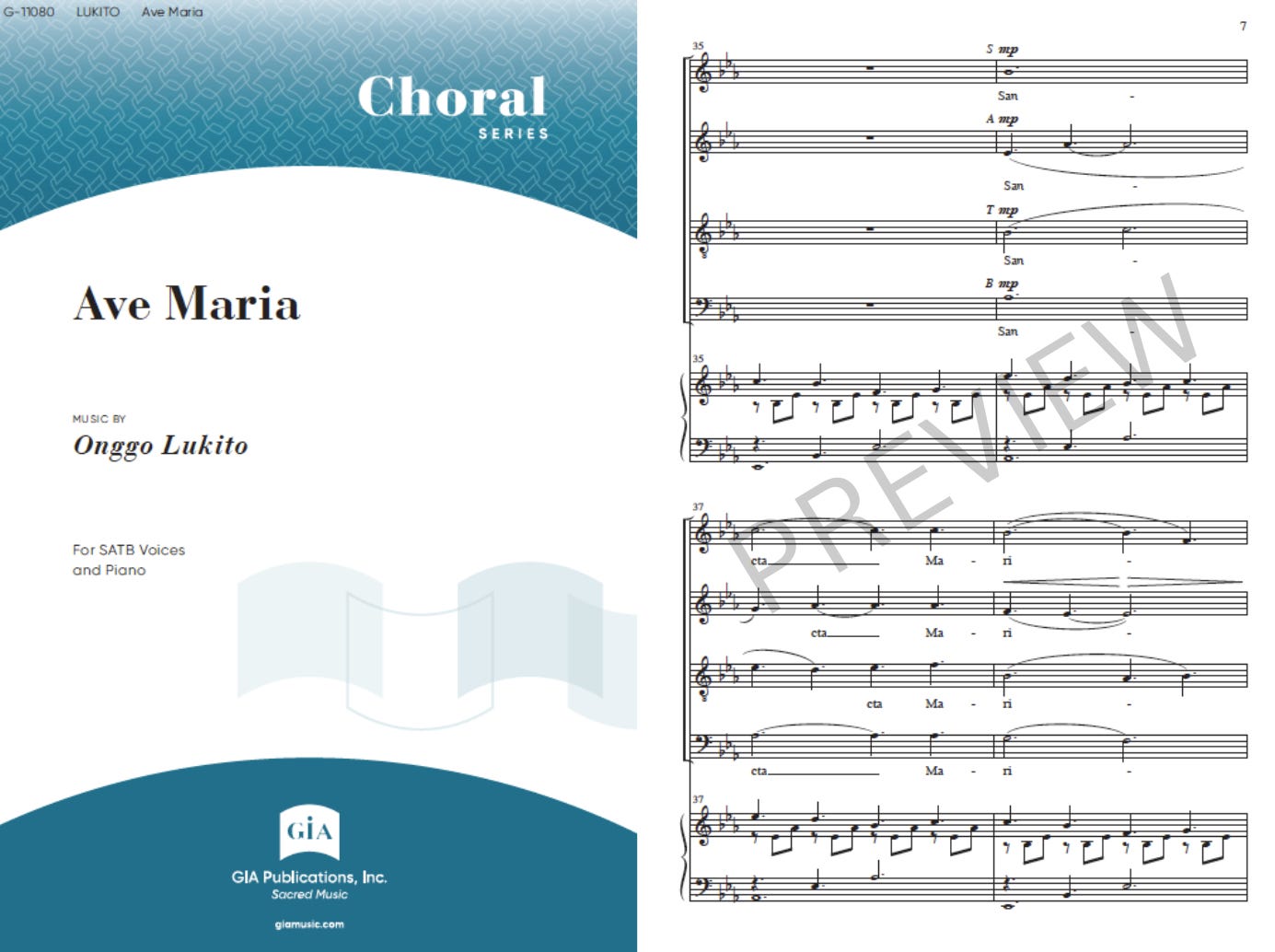
Ave Maria
This lovely arrangement of the Ave Maria begins with a gently rocking instrumental introduction followed by the tenor section (or tenor solo) singing the melody in a soothing legato line. In the second half, the women join the intercessory prayer. The undulating feel in the accompaniment creates drive while the fluid vocal line portrays a serene sense of supplication.
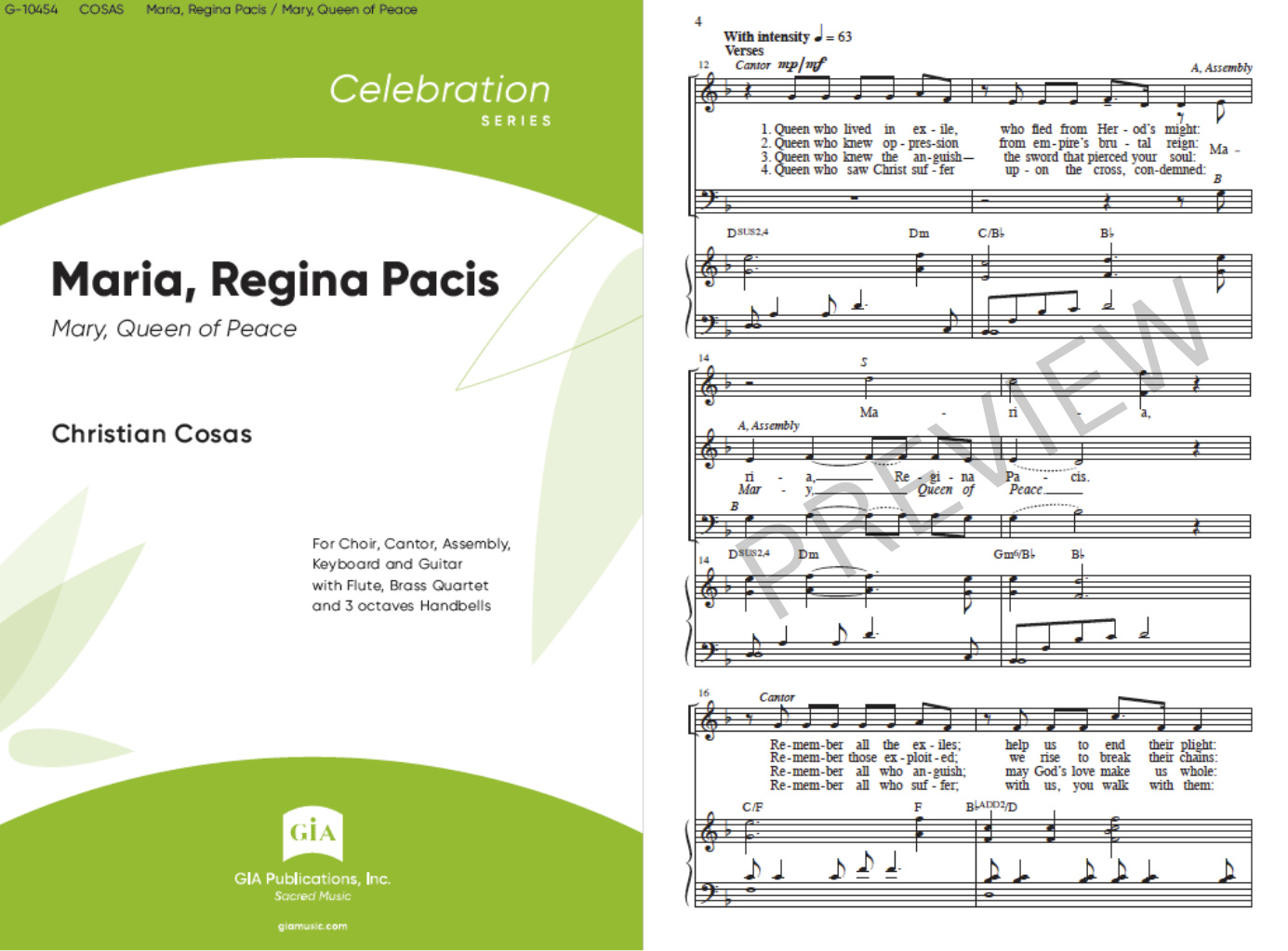
Maria, Regina Pacis
“Maria, Regina Pacis” is a litany commissioned by Mary, Queen of Peace Catholic Church in the St. Louis suburbs for its 100th anniversary. The verses draw from Scriptural accounts of Mary’s life to connect to contemporary themes of exile, suffering, and accompaniment. -Christian Cosas
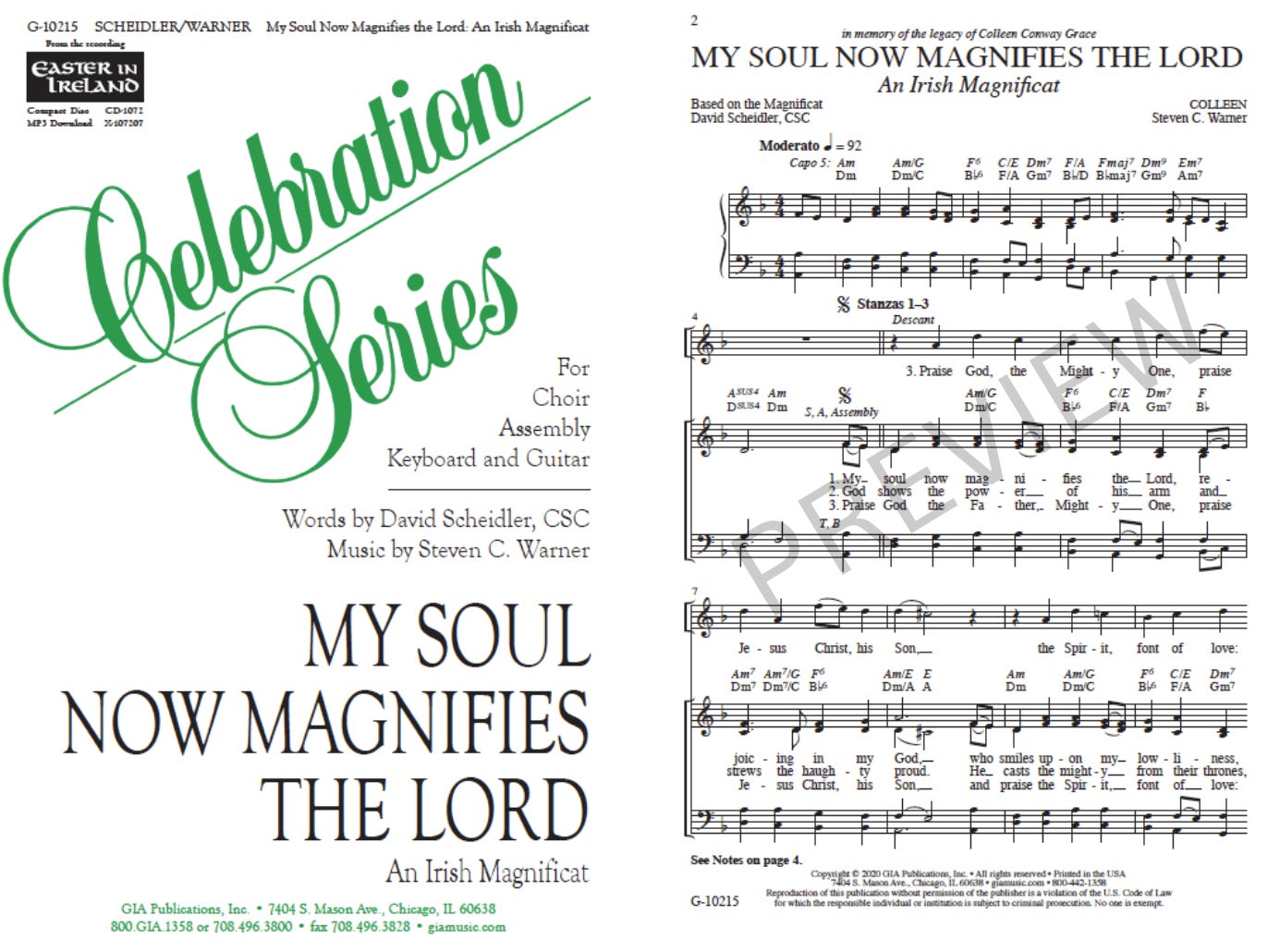
My Soul Now Magnifies the Lord
For many years at Notre Dame, we used Alan Hommerding’s celebrated setting of the Magnificat at the close of our Lenten Vespers services. But a few years ago, several people remarked that the setting was a bit too resplendent for the season of Lent, and asked if a new one, in a minor key, might be constructed—but still as acclamatory as the first.
I first used this setting with a choir in the month of March, when I was hosted by the Diocese of San Diego for a day of liturgical renewal. The slightly modified bar form tune was immediately embraced by the assembly as we celebrated Lenten Evening Prayer. Though they’d never heard it before, they owned the melody with gusto. I’ve since introduced the setting in both Dublin and Edinburgh with the same results, convincing me that the setting was equally at home in other cultures and congregations.