Three Recent Mass Settings
A brief overview of three recently released Mass settings from beloved GIA composers Tony Alonso, Peter Kolar, and M. Roger Holland II.

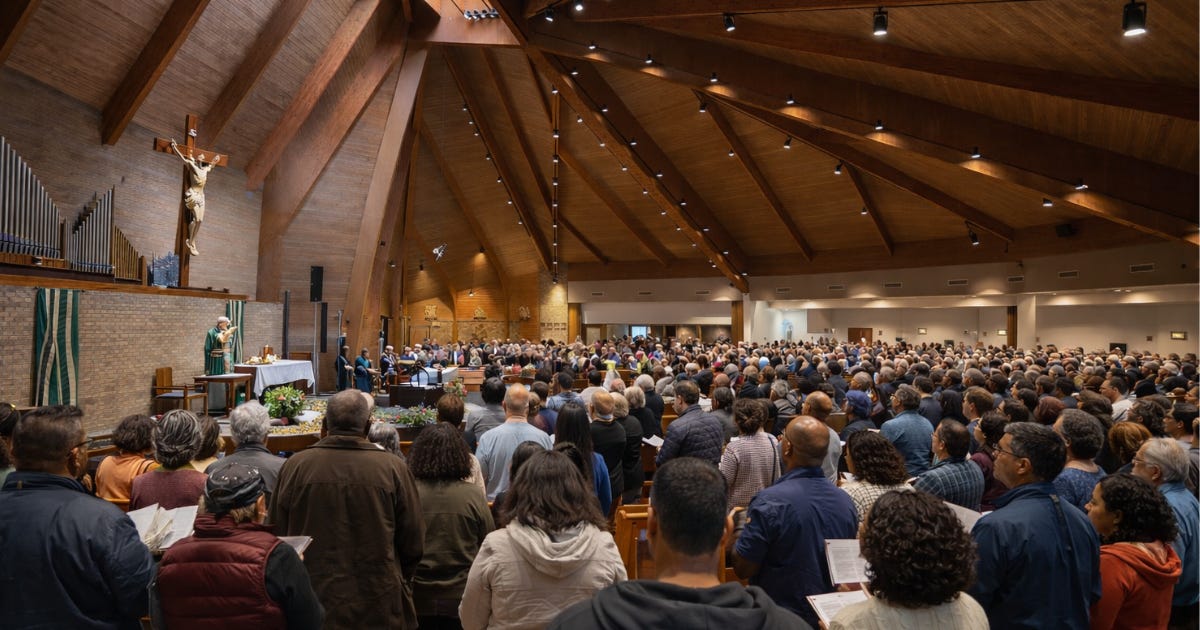
While every parish is different, the period of Ordinary Time that follows the Easter season can be a great time to introduce a new Mass setting to assemblies. This is for a few reasons:
The season is long. This gives the assembly ample repetitions and time to learn the new acclamations.
The season is less busy. Of course this varies from parish to parish, but summer is often a slower time for many places. Choirs are often on break, affording the music minister to focus more on the assembly.
Less new repertoire. Because choirs are usually on break and music directors are sometimes out-of-town on vacation or at conferences during the summer, assemblies are generally not asked to learn a lot of new repertoire. With a good plan in place, this can be a great opportunity to introduce a new Mass setting.
Here are three recently released Mass settings worth considering:
Song of the Spirit Mass
Several years ago, I composed a simple Gospel Acclamation, “Alleluia: Song of the Spirit,” based on the tune LAMBILLOTTE (“Come, Holy Ghost”). Song of the Spirit Mass extends the approach I took with the Gospel Acclamation to all of the sung portions of the Mass. The joyful exuberance of the tune makes it a setting especially well-suited to Easter and Ordinary Time.
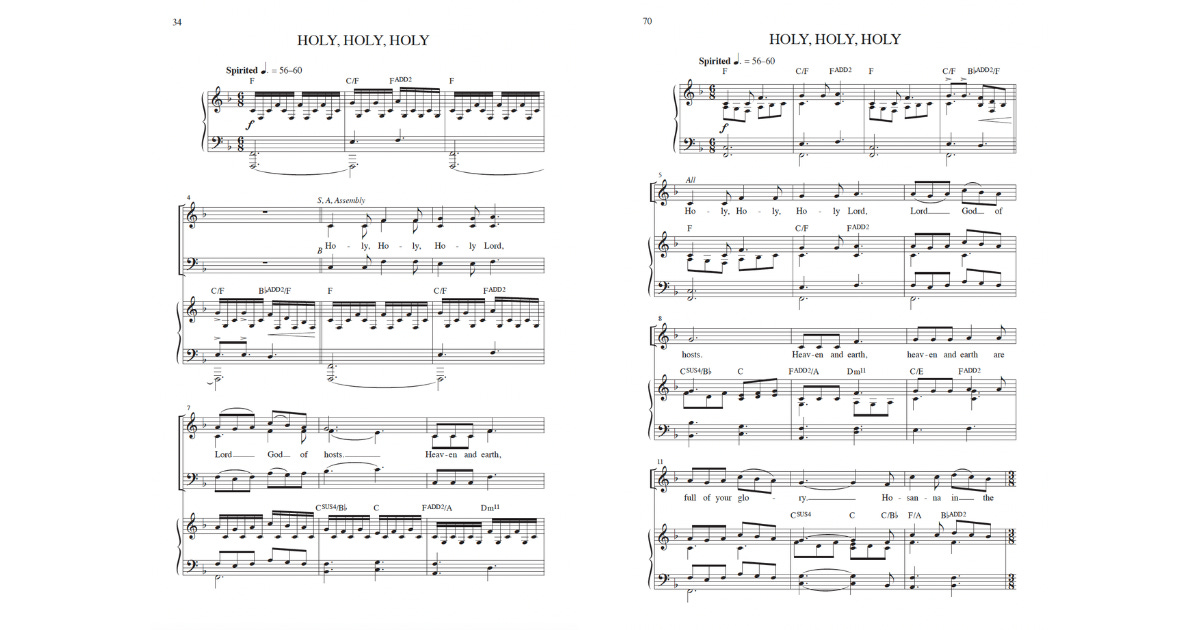
Song of the Spirit Mass—like “Alleluia: Song of the Spirit”—features a driving, rhythmic piano part. However, to accommodate a range of contexts, I have also provided an alternate accompaniment with more intentional melodic support. The alternate accompaniment is particularly suitable to organ; but pianists may find it useful when introducing the setting or when other rhythmic instruments are part of the overall ensemble. The alternate accompaniments are provided in this edition with melody-only vocal lines. -Tony Alonso
Listen here:
Mass of the Sun of Justice / Misa Sol de Justicia
Mass of the Sun of Justice was composed as a simple, versatile Mass setting for use throughout the liturgical year. By design, it is fully bilingual, singable entirely in English or in Spanish, or any pastoral combination of both languages.
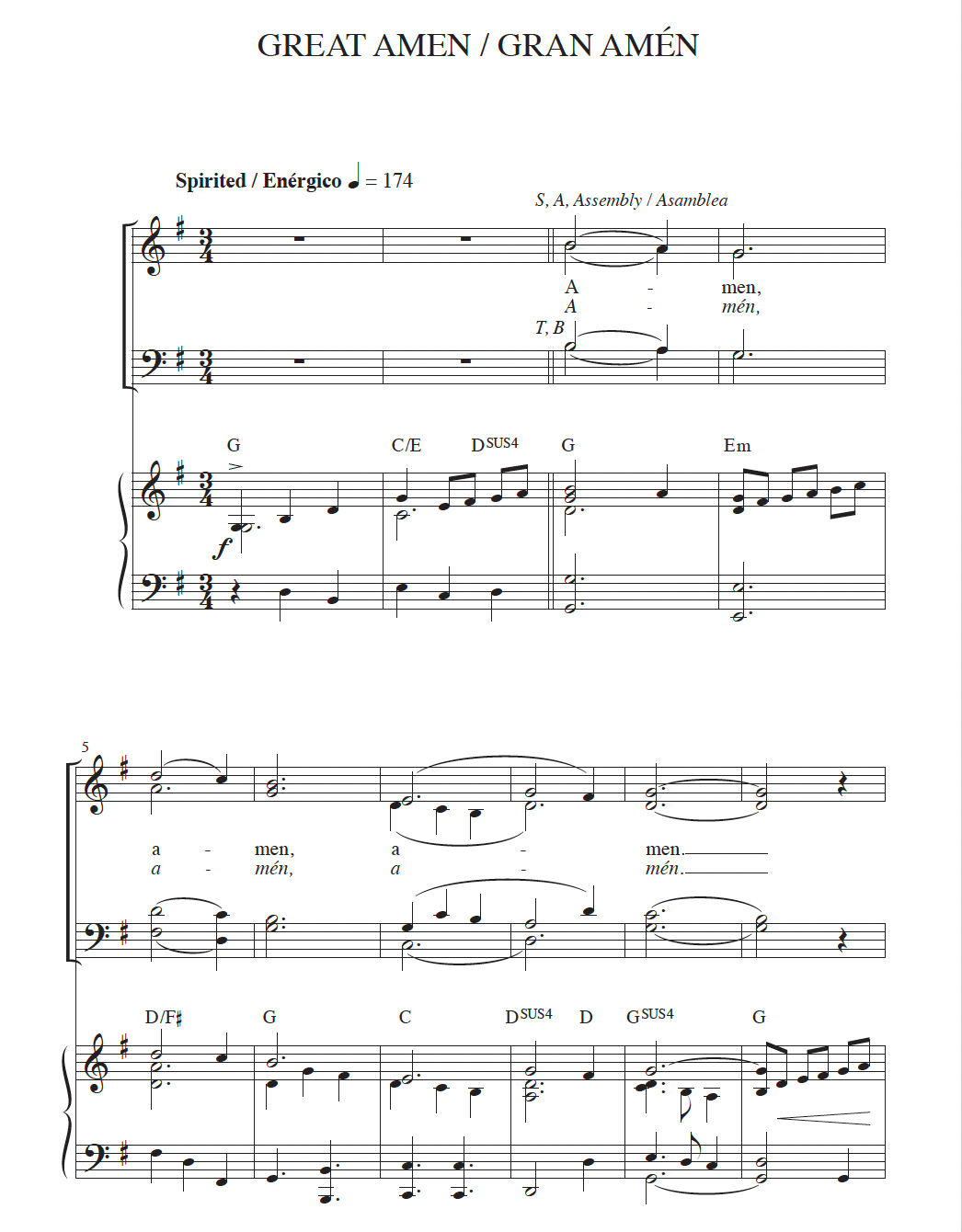
At its core, Mass of the Sun of Justice is a setting built on assembly-minded melodies. Much of the choral writing is simply two-part, albeit spelled out in four voices, whereby the basses frequently double the soprano melody, and the alto and tenor lines essentially share a single harmony in their respective ranges, splitting only at cadence points for a fuller effect. Optional descants and divisi further expand the voicing possibilities. The additional instrumentation is particularly spirited, further enhancing these sung texts for solemn occasions. -Peter Kolar
Listen here:
Voice of My People
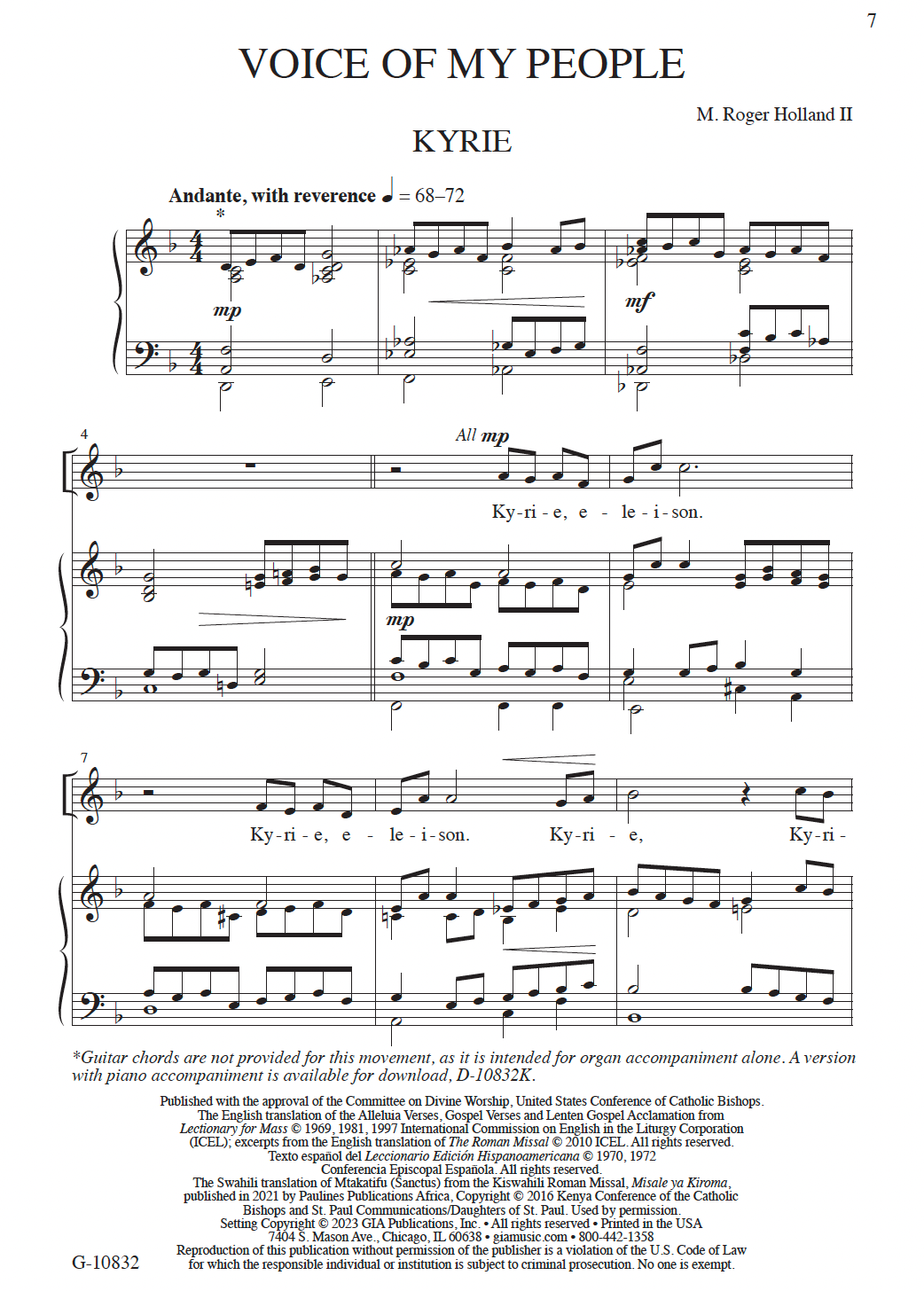
Voice of My People is unique in that what unifies the various movements is not a melodic motif, but the understanding that Black people are not monolithic in their understanding of self or cultural expression. This setting explores the various ways in which musical genres within the African diaspora articulate the cultural expressions of Blackness. It is not a complete expression of that Blackness, but it goes beyond a singular expression.
The outer movements (Kyrie and Agnus Dei) reflect a Black aesthetic that articulates our expression of Western classical idioms. The harmonic language is that of African American musical artforms such as gospel and jazz. They should be sung and played as one would any piece of classical repertoire. The Kyrie was written with the pipe organ in mind but may certainly be accompanied on the piano. -M. Roger Holland II